Posts

Digital Azan: How Technology is Transforming the Call to Prayer

Image
For many years, the call to prayer ( Azan)  rang out in Muslim cities and towns around the world. In the past, this important noise was produced by a muezzin shouting from the high tower of a mosque. With the advent of electricity and loudspeakers, the human voice could be broadcast and heard by many. Today, new technology is changing all this. Websites like  Online Azan .com  are changing the way  Azan  is broadcast by using digital speaker systems instead of analogue speakers. This technological shift is not just a piece of hardware—it is a broader trajectory of Islamic practices adapting in the modern era. From consistency and clarity to energy saving and affordability, digital  Azan  systems are resolving issues of long standing while preserving the religious integrity of the call to prayer. The Origins of Digital Speakers Smart speakers are unlike typical Bluetooth speakers found in homes. These systems employ sophisticated technologies such as be...

Hasrat Mohani, The Maulana Who Loved Krishna: A Tale of Common Faith and Aspiration for Peace Between Religions

Image
In a nation where religions are prone to competing for politics and identity, there was one who quietly transcended all religious barriers with his pen, heart, and imagination. He was neither a political activist nor a secular intellectual. He was a devoutly religious Islamic scholar — a Maulana — who was fond of Lord Krishna too. This is the tale of Maulana Hasrat Mohani, a great Urdu poet, freedom fighter, and Islamic philosopher, who wrote beautiful poems in praise of the Hindu god Krishna, referring to him as "Murliwala" (the flute-player) with such ardor that many were left agog. This essay considers the significant legacy of Hasrat Mohani. It explores his remarkable synthesis of bhakti and Sufi piety, his Krishna bhakti, and the way his writing still speaks to us today in periods of communal strife. We also explore the way this hybrid writing can be an effective instrument of interfaith dialogue and national cohesion. Who was Hasrat Mohani? Hasrat Mohani was born in 187...

How Israel's Actions Might Feed the Spread and Acceptance of Islamist Thought

Image
Over the past few years, the Israeli government's actions—its handling of the Palestinians, settlement growth, and its military campaign in Gaza—have drawn international attention and criticism. But beneath the headlines and the humanitarian outcry is a more profound implication that may determine the future of the Muslim world's politics and ideology: the revival and spread of Islamist thought. This article examines how ongoing aggression in Palestine can potentially serve as a catalyst for Islamist ideology, promoting its dissemination, ideological evolution, and broader acceptance among Muslim societies worldwide. 1. The Historical Context of Islamist Thought and Israel Islamist ideology is not a recent phenomenon. It began in the early 20th century, partly as a reaction against Western colonialism and the weakening of the Ottoman Empire. Leaders such as Hassan al-Banna in Egypt and Abul A'la Maududi in the Indian subcontinent presented Islamic political concepts which w...

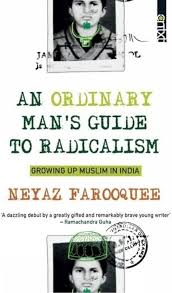
Surviving Identity: A Review of An Ordinary Man's Guide to Radicalism by Neyaz Farooquee

Image
  In his book An Ordinary Man's Guide to Radicalism: Growing Up Muslim in India, journalist Neyaz Farooquee tells his own tale that is also politically relevant. The book tells his life story as a young Muslim Indian from a middle-class background, mostly in Delhi's Jamia Nagar, through significant events in the country like the Batla House confrontation in 2008. The book is significant because it tells a reality in a straightforward, honest, and unobtrusive manner that tends to be overlooked or distorted in public debate: What is it like to be a Muslim in a country where your identity can immediately become a problem? We are presented with the insider's view of fear, ambition, prejudice, and hope through Farooquee's recollections. It is not a tale of extremism. Ironically, it is a tale of how not to get radicalized in reaction to every provocation. It is the tale of how an average man manages in exceptional times by clinging to decency, to dignity, and to dreams. A Lif...